
How ABA Therapy Helps Children Build Skills That Last


Every child grows at their own pace. Some children need extra support with communication, behavior, social interaction, daily routines, or learning new skills. That is where Applied Behavior Analysis, commonly known as ABA therapy, can make a meaningful difference.
At Seed & Grow ABA, we support children and families across New Jersey with individualized ABA therapy services designed around each child’s needs, strengths, and daily environment. Our goal is simple: help children build practical skills they can use at home, in daycare, in the community, and throughout everyday life.
What Is ABA Therapy?
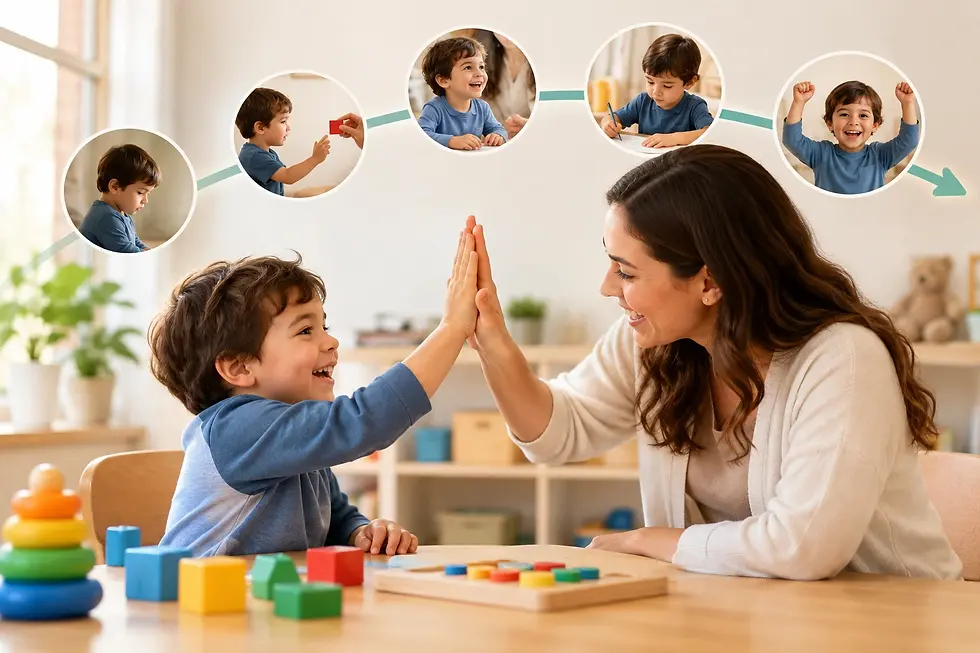
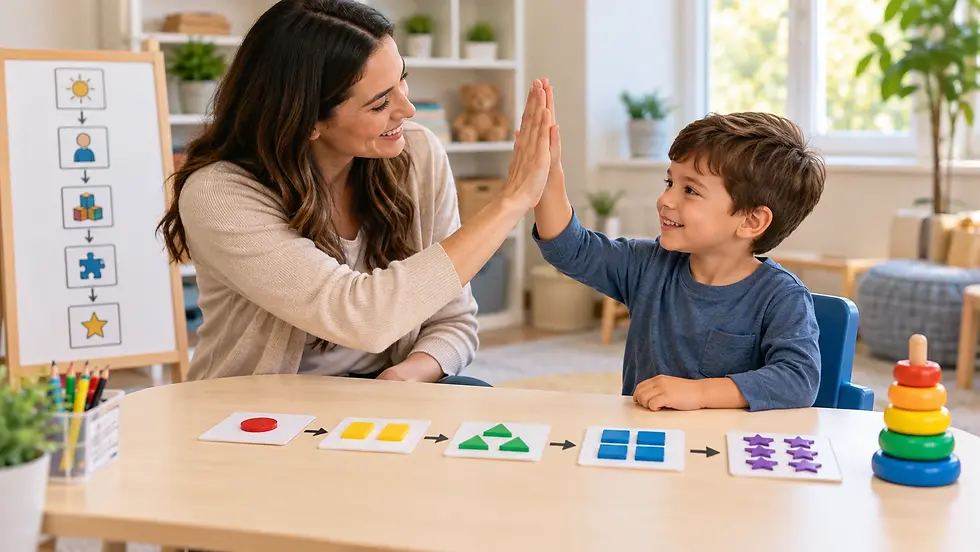
ABA therapy is an evidence-based approach that focuses on understanding behavior and teaching new skills in a structured, positive way. It helps children learn step by step, using encouragement, consistency, and strategies that match their learning style.
ABA therapy can support many important areas, including:
Communication skills
Social interaction
Daily living routines
Emotional regulation
Positive behavior development
Safety awareness
Independence
School and daycare readiness
The purpose of ABA is not to change who a child is. It is to help them gain the tools they need to express themselves, participate more confidently, and succeed in everyday situations.
Why Individualized ABA Therapy Matters
No two children are the same. One child may need support with language and communication. Another may need help with transitions, peer interaction, or following daily routines.
That is why ABA therapy should never be one-size-fits-all.
At Seed & Grow ABA, each therapy plan is built around the child’s unique needs. Our team looks at the child’s strengths, challenges, family goals, and natural environments before creating a treatment plan. This allows therapy to feel practical, meaningful, and connected to real life.
When therapy is personalized, progress becomes easier to understand and easier to apply outside the session.
ABA Therapy at Home
Home is one of the most important places for children to learn. It is where routines happen, family interactions take place, and daily living skills are practiced.
In-home ABA therapy allows children to work on skills in a familiar setting.
Parents and caregivers also become part of the process. With support and guidance, families learn strategies they can use between sessions to help their child continue making progress.
ABA Therapy in Daycare
Many children spend a large part of their day in daycare. This setting gives children a chance to practice social skills, group participation, communication, and classroom readiness.
In-daycare ABA therapy helps children learn within the environment where they interact with peers and caregivers. Support may focus on joining group activities, following classroom routines, sharing, asking for help, managing transitions, or improving peer play.
By working in the daycare setting, therapy becomes more natural and useful for the child’s daily life.
ABA Therapy in the Community
Children need support beyond the home and daycare. Community-based ABA therapy helps children practice skills in real-world settings such as parks, stores, libraries, playgrounds, and recreational programs.
These sessions may focus on safety awareness, waiting, following directions, making choices, communicating in public, and participating in community activities.
The goal is to help children feel more confident and independent outside familiar environments.
Virtual ABA Therapy
Virtual ABA therapy gives families flexible access to support from home. It can be especially helpful for parent coaching, caregiver training, skill-building guidance, and ongoing treatment support.
Through secure online sessions, families can receive professional ABA guidance without needing to travel. Virtual therapy can also help maintain consistency when in-person sessions are not possible.
For many families, this creates a convenient way to stay connected and supported.
Social Skills Training
Social skills are an important part of a child’s development. Some children need extra help learning how to start conversations, take turns, share, cooperate, understand emotions, or interact with peers.
ABA social skills training uses structured activities and guided practice to help children build these skills in a supportive way.
Over time, children can become more comfortable participating in play, group activities, school routines, and community settings.
Family Involvement Makes a Difference
ABA therapy works best when families are involved. Parents and caregivers know their child better than anyone. Their input helps shape therapy goals and makes progress more meaningful.
At Seed & Grow ABA, we believe families should feel supported, informed, and involved throughout the therapy journey. We work closely with caregivers so skills learned during therapy can continue throughout the child’s day.
This consistent support helps children make stronger, longer-lasting progress.
Helping Children Grow with Confidence
ABA therapy is not just about reducing challenges. It is about helping children build confidence, independence, communication, and meaningful life skills.
At Seed & Grow ABA, we are proud to support children and families throughout New Jersey with compassionate, individualized ABA therapy. Whether services take place at home, in daycare, in the community, virtually, or through social skills training, our focus remains the same: helping every child grow at their own pace.
If your child needs support with communication, behavior, social skills, or daily routines, Seed & Grow ABA is here to help your family take the next step.

Comments